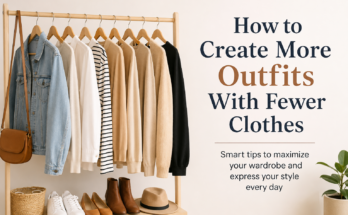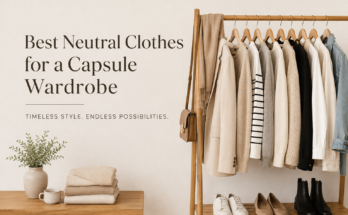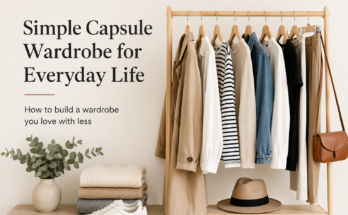
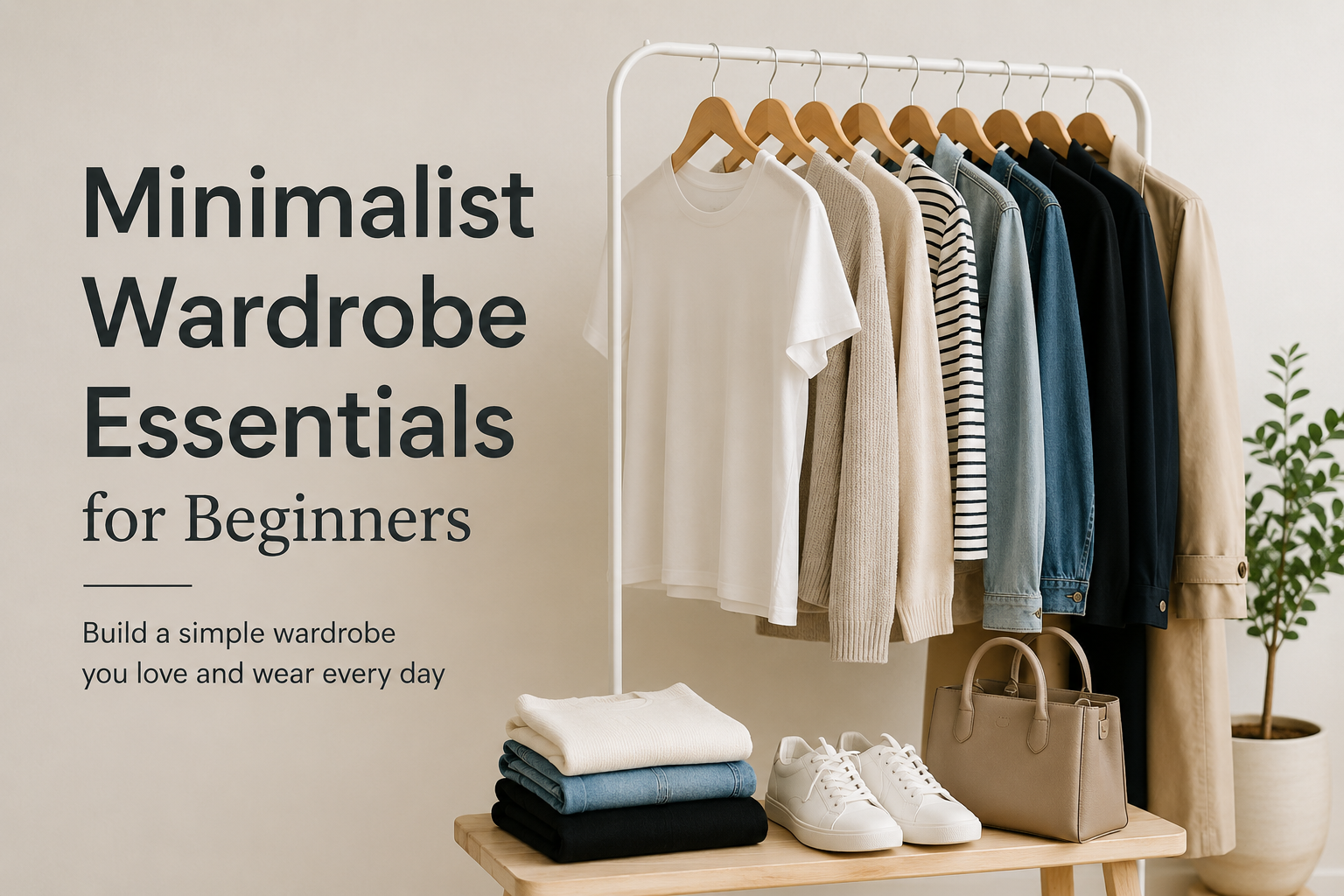
A minimalist wardrobe is not about owning only a few pieces of clothing or following a strict fashion rule. For me, it is more about making everyday dressing easier, more affordable, and less stressful. When I look at my wardrobe and see clothes that I actually enjoy wearing, I feel much more comfortable than when I have a closet full of things I rarely touch.
If you are thinking about building a minimalist wardrobe for the first time, you do not need to replace everything at once. You can start slowly, understand what you really wear, and build your collection around simple pieces that work well together.
What Is a Minimalist Wardrobe?
A minimalist wardrobe is a collection of clothing that is simple, useful, comfortable, and easy to combine. Instead of buying something every time a new trend appears, the idea is to focus on pieces that fit your lifestyle.
In my opinion, the biggest advantage is simplicity. When most of your clothes can be worn together, getting dressed becomes much easier. You spend less time deciding what to wear and may also spend less money on unnecessary shopping.
A minimalist wardrobe does not have to look boring. You can still wear colors, patterns, accessories, and clothing that reflects your personality. The main difference is that every item has a purpose.
Start With What You Already Own
Before buying anything new, I recommend looking carefully at the clothes you already have. This is one of the easiest ways to begin because you may already own many of the essentials.
Take everything out of your wardrobe and separate your clothes into a few simple groups. Keep the things you wear regularly and feel comfortable in. Put aside clothes that you rarely wear but still like. Finally, separate items that no longer fit, are damaged, or simply do not suit your lifestyle.
This process can show you what you actually need. For example, if you already have several good T shirts, buying more may not make sense. Perhaps what you really need is a pair of versatile trousers or a comfortable jacket.
Choose Basic T Shirts
A few good T shirts are among the most useful pieces in a beginner minimalist wardrobe. I personally think simple T shirts are valuable because they can be worn alone or underneath shirts, jackets, sweaters, and other layers.
Neutral colors such as white, black, gray, navy, beige, and cream are easy to combine. However, you should not feel forced to choose only neutral colors. If you love green, blue, brown, or another color, include it.
The important thing is to choose T shirts that fit comfortably and can work with several other pieces in your wardrobe.
Add a Good Pair of Jeans
A reliable pair of jeans can become one of the hardest working items in your wardrobe. Jeans are useful for casual days, shopping trips, travel, meeting friends, and many everyday situations.
When choosing jeans, focus on comfort and fit instead of simply following fashion trends. A classic straight or relaxed fit can remain useful for years.
I also recommend choosing a color that works with most of your tops. Medium blue, dark blue, and black are generally easy options. You do not necessarily need several pairs when you are just starting.
Include Versatile Trousers
Jeans are useful, but having another type of trousers can make your wardrobe more flexible. Depending on your lifestyle, this could be chinos, simple cotton trousers, dress trousers, or another comfortable option.
I prefer clothing that can move between different situations. A clean pair of trousers can look casual with a T shirt and more polished with a button up shirt.
Think about where you actually spend your time. If you work from home, you may not need several formal trousers. If your workplace requires formal clothing, your wardrobe should reflect that.
Keep One or Two Good Shirts
A simple button up shirt can completely change an outfit. It can be worn casually with jeans or dressed up with trousers.
For beginners, I would start with one or two shirts that you genuinely like. White, light blue, beige, and simple patterns are often easy to combine, but personal preference should always come first.
The goal is not to create a perfect wardrobe according to someone else’s rules. The goal is to create a wardrobe that makes sense for your daily life.
Add a Comfortable Sweater or Layer
A sweater, cardigan, sweatshirt, or lightweight jacket can be extremely useful depending on your climate. Layers are especially helpful because they allow you to adjust your outfit when the weather changes.
For a minimalist wardrobe, I would choose a layer that works with several shirts and trousers. A simple design is often easier to wear repeatedly.
You should also consider the materials and care instructions. Clothing that looks good but requires constant special care may not be practical for your routine.
Choose Everyday Shoes Carefully
Shoes deserve special attention because they can affect both comfort and the overall appearance of an outfit.
For a beginner wardrobe, one comfortable everyday pair can be a good starting point. Clean sneakers are useful for many casual outfits. Depending on your lifestyle, you might later add another pair for formal occasions, outdoor activities, or different weather conditions.
I think it is better to own two pairs that you actually wear than several pairs that stay in the closet.
Do Not Forget Outerwear
Outerwear depends heavily on where you live. You might need a lightweight jacket, hoodie, coat, rain jacket, or another practical layer.
Rather than buying several options immediately, think about the weather you experience most often. Choose one versatile item first and add more only when you discover a genuine need.
A good outer layer can make simple clothing look more complete while also keeping you comfortable.
Keep Your Colors Easy to Match
One of the simplest ways to create a minimalist wardrobe is to choose colors that work together.
You do not have to use only black, white, and gray. Instead, select a small group of colors that you naturally enjoy wearing.
For example, you might choose navy, white, gray, beige, and light blue. Another person might prefer black, cream, brown, olive, and denim.
When your colors work together, you can create many outfits from a relatively small number of pieces.
Focus on Fit More Than Quantity
In my experience, a well fitting basic item can look much better than an expensive item that does not fit properly.
When shopping, pay attention to the shoulders, sleeves, waist, length, and overall comfort. If something feels uncomfortable when you try it on, you probably will not enjoy wearing it later.
Do not buy something simply because it is on sale. A cheap item that stays unused is still money spent.
Buy Slowly
One mistake beginners often make is trying to build a minimalist wardrobe in one shopping trip. I think this can defeat the purpose.
Start with the gaps you identified in your existing wardrobe. Buy one useful piece, wear it for a while, and see whether it actually improves your daily clothing choices.
Over time, you will understand your preferences better. You may discover that you rarely wear certain colors or that you prefer a particular type of trousers. This information is much more valuable than following a generic wardrobe checklist.
Consider Quality and Durability
Minimalism does not always mean buying the cheapest option. If you wear something frequently, it can make sense to choose an item that feels comfortable and is made reasonably well.
At the same time, you do not need to spend a fortune. I believe the best approach is to balance price, quality, comfort, and how often you expect to use the item.
Look at the stitching, fabric, buttons, zippers, and overall construction. Also consider whether the item can be washed and maintained easily.
Accessories Can Add Personality
A minimalist wardrobe does not mean eliminating accessories. A simple watch, belt, scarf, bag, hat, or piece of jewelry can add personality without filling your wardrobe with unnecessary items.
The key is to choose accessories that you actually use. If you never wear a particular accessory, there is little reason to keep buying similar ones.
Avoid Buying for Your Fantasy Lifestyle
This is one lesson I think is especially important. Sometimes we buy clothes for the person we imagine becoming rather than the person we are today.
Maybe you imagine yourself attending formal events every week, going hiking every weekend, or dressing professionally every day. If that is not your actual lifestyle, buying a large collection of clothing for it may not be useful.
Build your wardrobe around your real life. You can always add something later when your needs change.
Take Care of What You Own
A minimalist wardrobe works best when you take care of your clothing. Washing items according to their care instructions, storing them properly, repairing small problems, and avoiding unnecessary washing can help extend their useful life.
I also think repairing clothing is worth considering before replacing it. A loose button or small stitching problem does not always mean an item needs to be thrown away.
Taking care of your clothes can save money and reduce unnecessary consumption.
A Simple Beginner Wardrobe
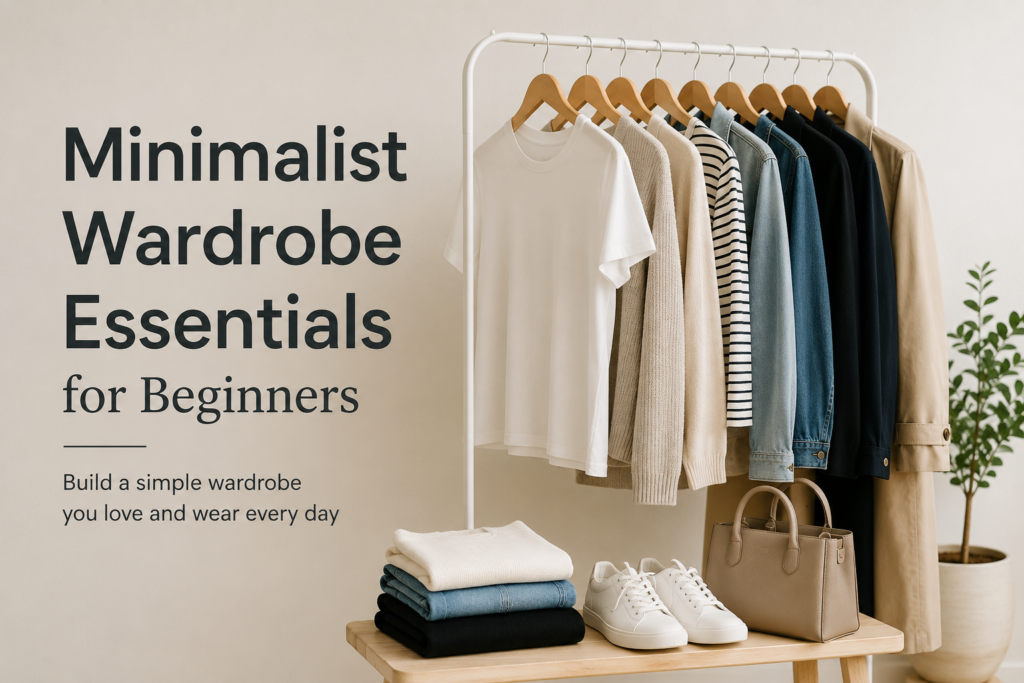
If I were starting from zero, I would keep the beginning simple. I would look for a few comfortable T shirts, one or two pairs of trousers, a pair of jeans, one or two versatile shirts, a sweater or casual layer, one practical jacket, comfortable everyday shoes, and a few useful accessories.
The exact number would depend on my lifestyle, climate, work, and laundry routine. There is no universal number that works for everyone.
The most important thing is that each item earns its place in the wardrobe.
Final Thoughts
Building a minimalist wardrobe is really about understanding what you need and removing the pressure to constantly buy more. You do not need to follow every fashion trend, own dozens of outfits, or completely change your style.
For me, the best minimalist wardrobe is one that makes everyday life easier. I want to open my wardrobe and quickly find something comfortable that I like wearing. I want my clothes to work together instead of creating more decisions.
Start with what you already own. Remove what you never use. Identify the genuine gaps. Then slowly add simple, versatile pieces that match your lifestyle.
A minimalist wardrobe is not about having less just for the sake of having less. It is about having enough of the right things so that getting dressed feels simple, practical, and enjoyable.